
Equipment financing: lease or loan?
Looking to acquire equipment for your business? Explore our comparison between equipment leasing and equipment loans to make the best choice for your cash flow and tax situation.
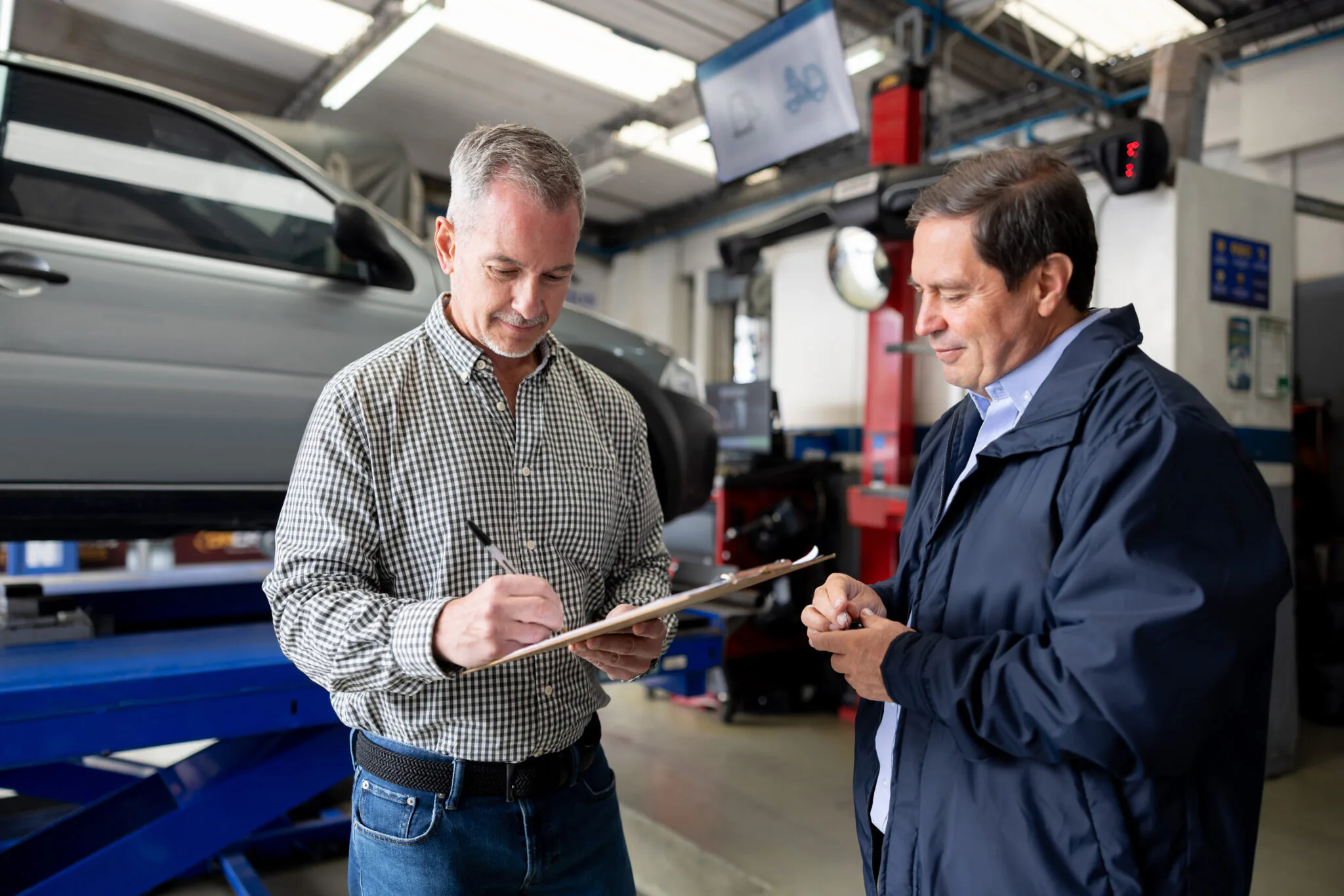
Acquiring equipment is essential to growing a business. Two primary financing solutions are available: equipment leasing or an equipment loan. The key difference lies in ownership: with a loan, you own the asset from day one; with a lease, the financing company retains ownership until the end of the term.
Good to know: The 90% Rule
If the present value of your total lease payments equals or exceeds 90% of the equipment's fair market value, the contract is classified as a capital lease, opening up specific tax deductions.
1 Comparison Table: Leasing vs Equipment Loan
| Criteria | Leasing / Capital Lease | Equipment Loan |
|---|---|---|
| Ownership | Leasing company (buyout option at lease end) | Owner from day one |
| Down payment required | Generally NO down payment | Down payment required (typically 10% to 20%) |
| Tax treatment | Lease payments 100% tax-deductible as operating expenses | Interest deduction + Capital Cost Allowance / CCA (CRA) |
| Obsolescence | Option to upgrade to a newer model at lease end | The business absorbs the risk of obsolescence |
| Sales tax | Spread monthly across each lease payment | Payable in full at contract signing |
2 Which Option Is Best for Your Business?
Consider LEASING if:
- You want to preserve working capital with no down payment.
- The equipment becomes obsolete quickly (tech, IT).
- You prefer flexible payment options tailored to seasonal cycles.
Consider a LOAN if:
- You want ownership and to list the equipment as a capital asset.
- The equipment has a long useful lifespan (heavy machinery).
- CCA depreciation is more beneficial for your balance sheet.
Need a tailored financing solution?
Contact our commercial equipment financing specialists today.